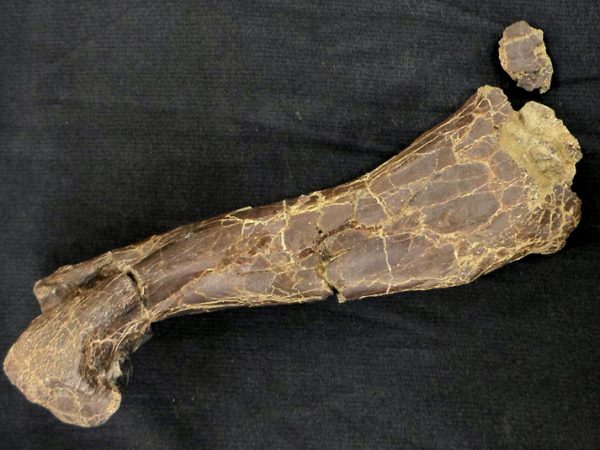
This Fossil Friday I’m presenting an oreodont humerus that was prepared by PCP PIRE preparator Rachel Narducci. This specimen was … Continue

This week the FLMNH hosted the annual Society for the Preservation of Natural History Collections’ conference. I was lucky enough … Continue
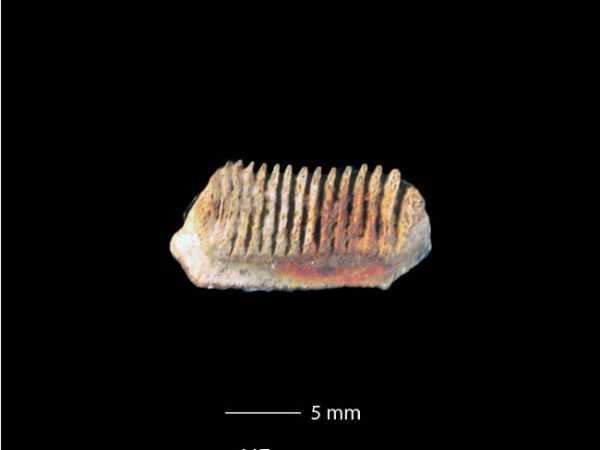
This Fossil Friday we have the dental plate of a cownose ray (genus Rhinoptera). This fossil is from the Gatún … Continue
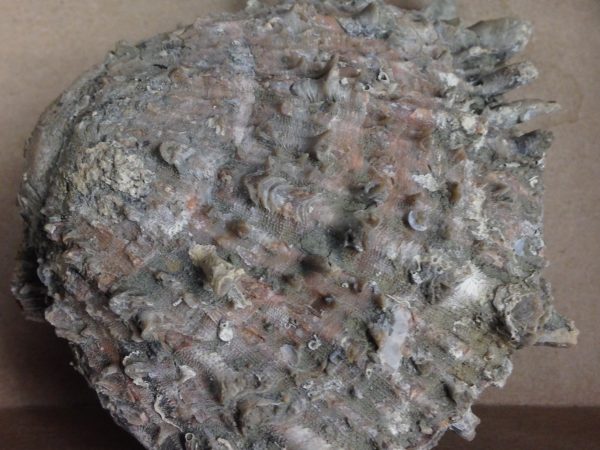
Over the past couple of weeks I’ve been working on several smaller projects around the lab that have included identifying … Continue
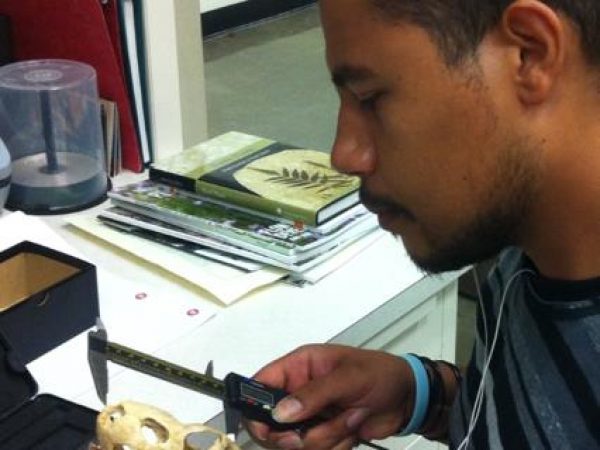
In order to tell whether the turtle skull I am studying is different than the skulls of modern relatives, I … Continue
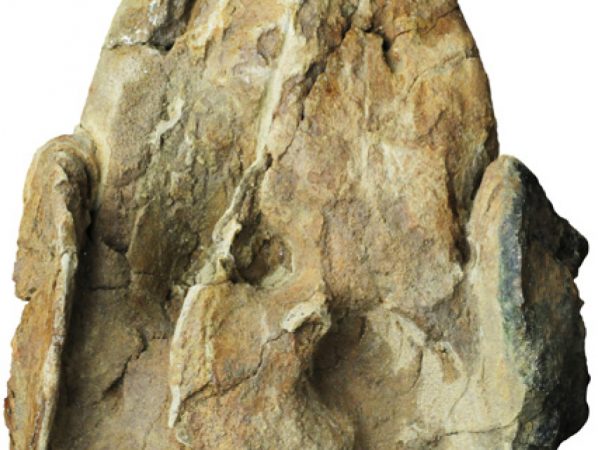
For this Fossil Friday we have a whale of a discovery to share, specifically the skull of a kogiid whale. … Continue
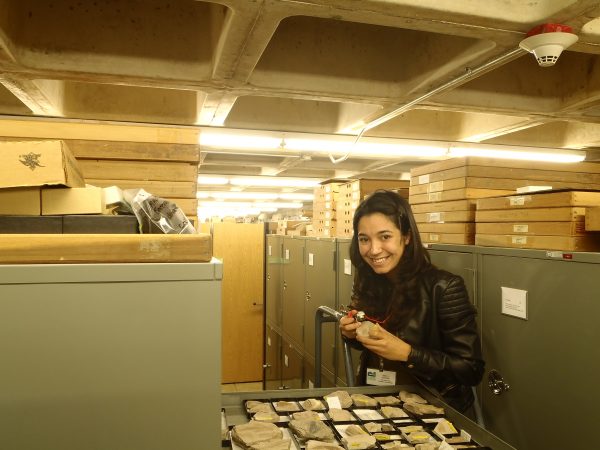
PCP PIRE Fall 2015 Museum Internship Application Now Available!
PCP PIRE’s museum internship application for Fall 2015 is now available! Fall 2015 museum interns will be able to explore … Continue
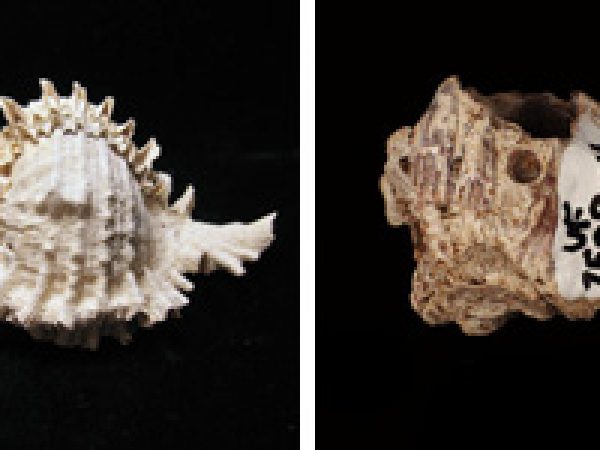
This Fossil Friday we have a barnacle from the Pleistocene Armuelles Formation. Barnacles are crustacean arthropods (Phylum Arthropoda, Subphylum Crustacea), … Continue
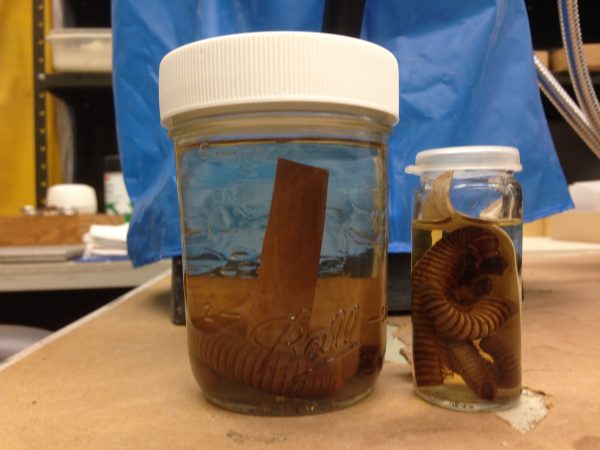
For the last few weeks Roger and I have been prepping out the millipede that was found by Aaron Wood in … Continue
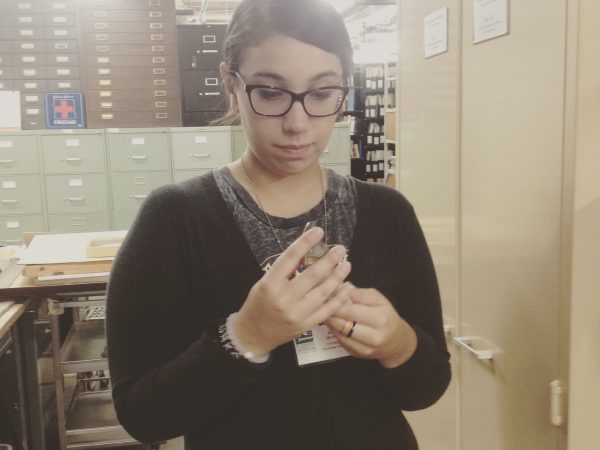
Lately Ariel and myself have been working on identifying specimens that were recovered from the Nebraska All Hands trip last … Continue
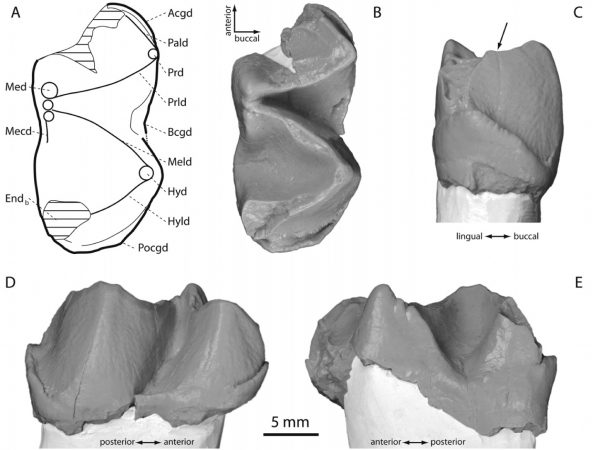
This week’s Fossil Friday is the subject of a paper recently published by former PCP PIRE Post Doc Aaron Wood … Continue
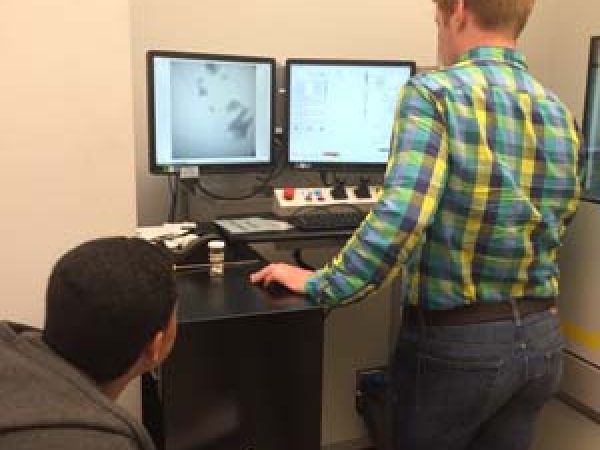
[This is the unabridged version of museum interns Andrea De Renzis and Justy Alicea’s April 2015 eNewsletter article.] Traditional specimen-based … Continue

This Fossil Friday we have a peripheral element of the plastron (ventral surface of the shell) of a kinosternid turtle … Continue
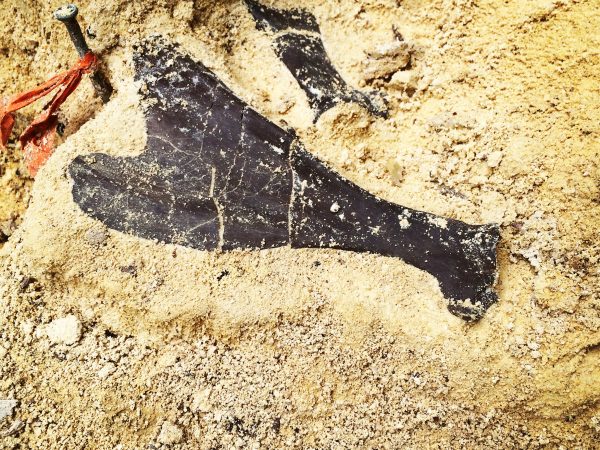
Last week myself and the other interns took a field trip for two days to dig at the fossil site … Continue
Fossil Friday 4/17/15: Fossil Plants preservation and Identification
We all must have had in a point of our life heard about how extinct organisms remains become fossilized, either … Continue