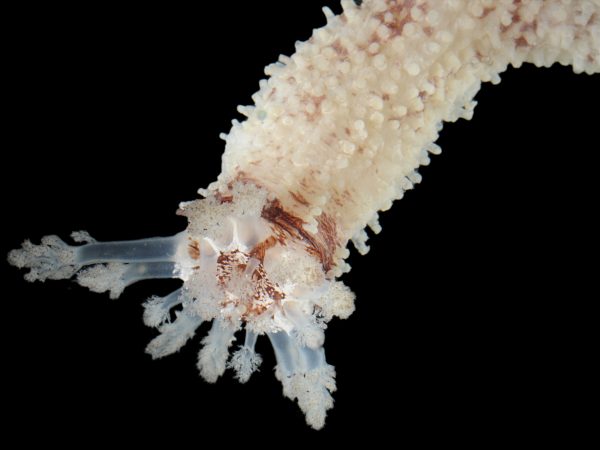
Rewriting the evolutionary history of sea cucumbers
Scientists at the Florida Museum of Natural History have discovered that a group of tiny sea cucumbers has enormous taxonomic…
Read More

Bird calls on demand
While standing next to a shelf filled with thousands of aging reel-to-reel and other tape recordings of bird sounds collected…
Read More
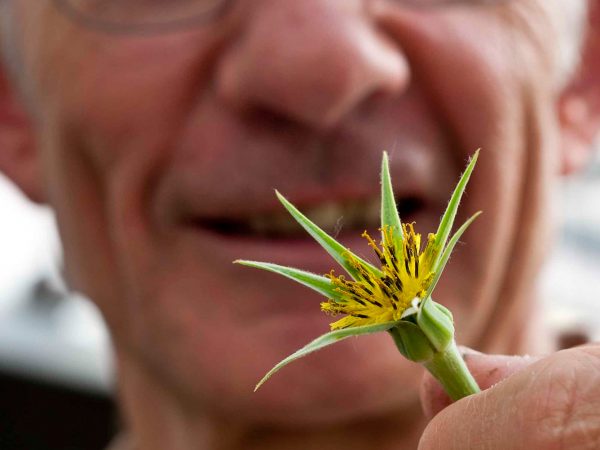
Tragopogon: Understanding the evolution of polyploidy
Pam and Doug Soltis, distinguished professors with the Florida Museum of Natural History, discuss the importance of Tragopogon, a flowering…
Read More
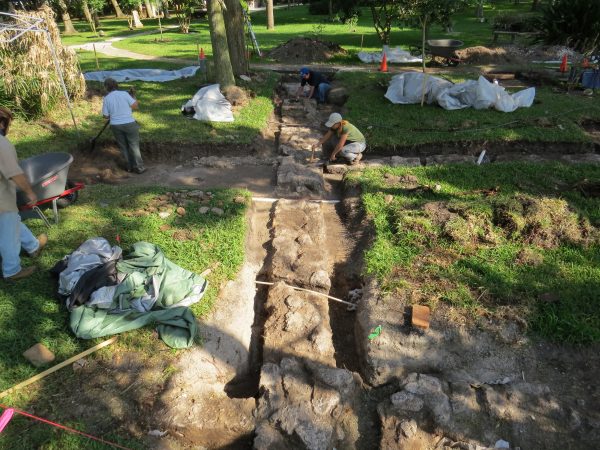
Unearthing a rare stone mission church in St. Augustine
Large-scale excavations are underway in St. Augustine of the 337-year-old remains of one of the largest and most ornate churches…
Read More
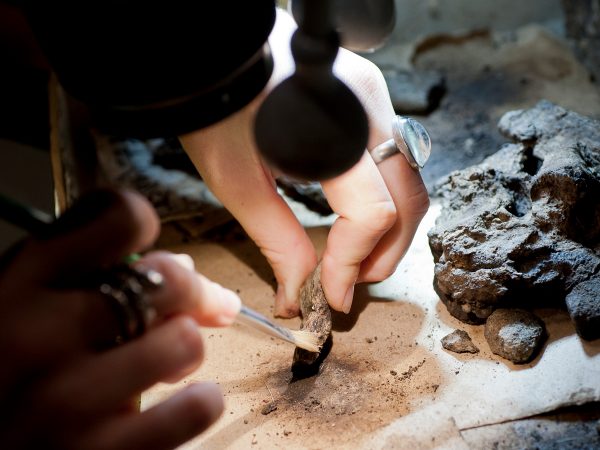
Ancient crocodilian named after Tolkien creature
A new University of Florida study describes a 16-foot, 900-pound ancient species of crocodilian that swam in the same rivers…
Read More
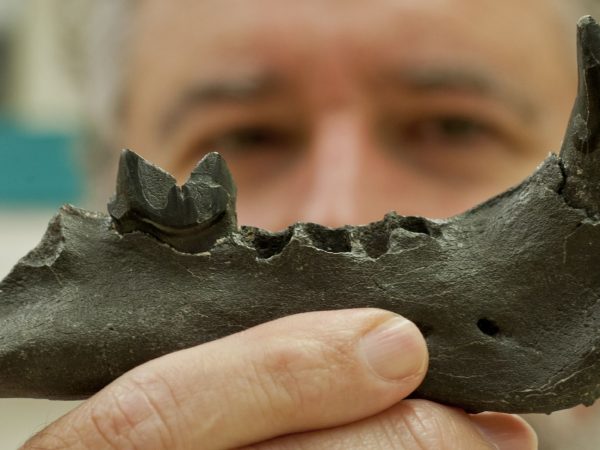
Discovery of over 100 new species
A saber-toothed cat that roamed the southeastern U.S. 5 million years ago, the world’s oldest grape and a bizarre hermit…
Read More
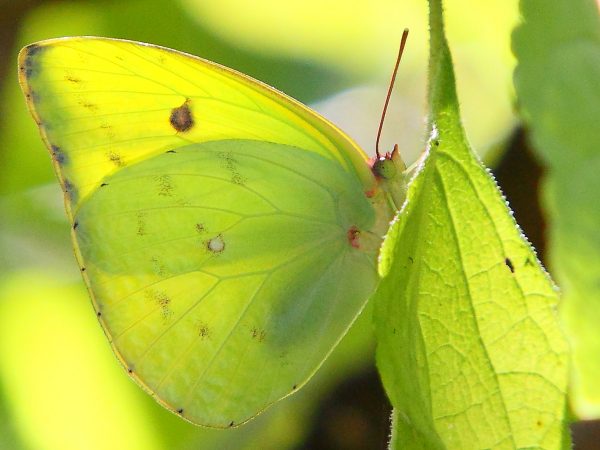
A butterfly in hiding takes wing on social media
Thanks to social media and museum collections, a butterfly species was recognized in 2011 after more than 50 years of…
Read More
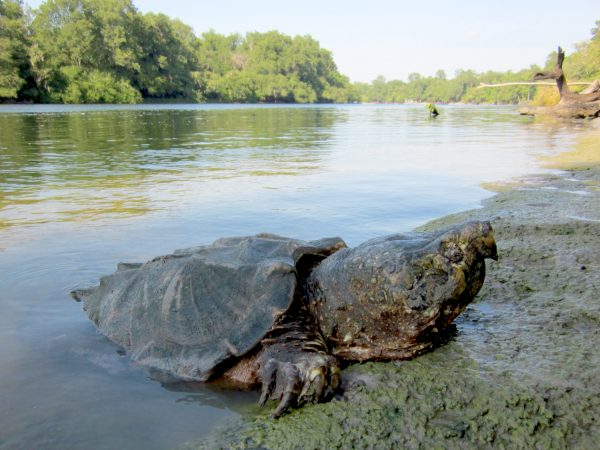
‘Dinosaurs of the turtle world’ at risk in Southeast rivers
Conservation of coastal rivers of the northern Gulf of Mexico is vital to the survival of the alligator snapping turtle,…
Read More

97,000 newly acquired artifacts tell story of America’s Spanish past
Early in the 1930s, a gardener discovered a skull while planting an orange tree at the Fountain of Youth Archaeological…
Read More
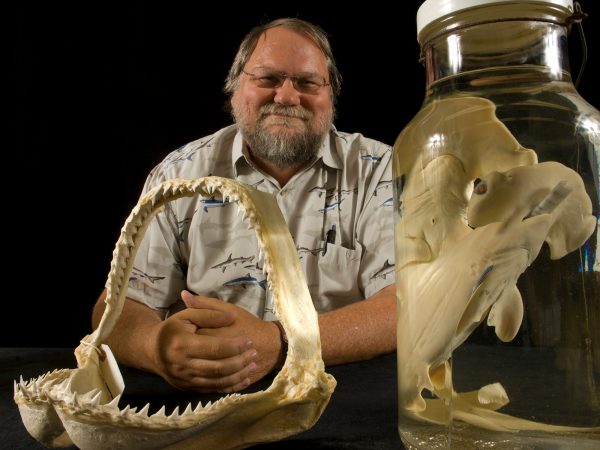
ISAF reports fewer shark attacks in 2013, above-average fatalities worldwide
The world experienced the lowest number of shark attacks since 2009, although fatalities in 2013 were above average, according to…
Read More